In less than a decade, OTT platforms have transformed from niche entertainment apps into global entertainment powerhouses. What started as an alternative to cable television is now the primary home for films, series, documentaries, live sports, and exclusive content, redefining what entertainment means to a modern viewer.
The Rise of On-Demand Culture
The surge of OTT platforms like Netflix, Amazon Prime Video, Disney+, Hotstar, Zee5, and Hulu is rooted in one simple fact:
People no longer want to wait.
Not for TV schedules.
Not for movie premieres.
Not for DVD releases.
The desire for instant access has shaped a new generation of “view-what-you-want, when-you-want” entertainment consumers. OTT tapped into this shift and never looked back.
Global Reach, Local Storytelling
One of the most exciting aspects of OTT growth is how local industries — Bollywood, Tollywood, Korea, Spain, Japan, Hollywood — are now gaining global visibility.
- Korean dramas created international fandoms.
- Spanish series like La Casa de Papel (Money Heist) became worldwide sensations.
- Indian thrillers like Paatal Lok, Sacred Games and Mirzapur built cult followings globally.
For the first time ever, a storyteller in Mumbai can captivate an audience in Mexico — without a theatrical release.
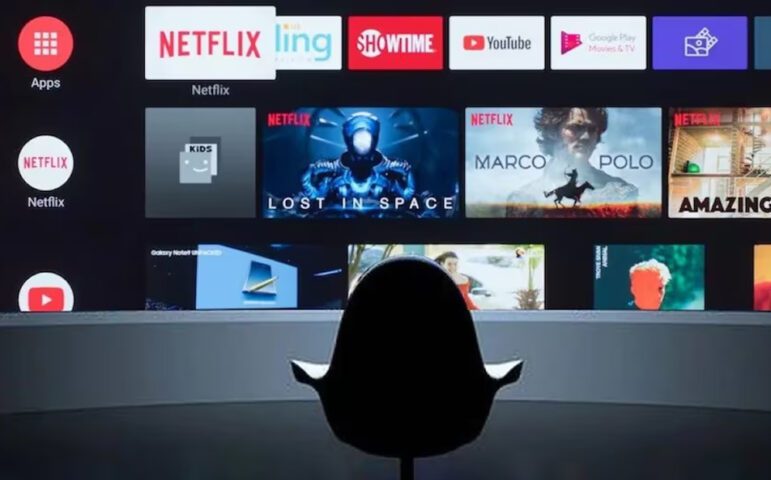
Theater vs OTT: Competition or Collaboration?
There’s been constant debate about whether OTT is “killing” theaters.
But the truth is more complex.
OTT provides accessibility.
Theaters provide experience.
Big-budget spectacles (Avatar 2, KGF 2, Jawan) remain theatrical events.
Meanwhile, character-driven stories and experimental formats thrive on OTT.
Both mediums serve different emotional needs — and this coexistence is likely the future.
How OTT Changed Filmmaking Itself
Here are the biggest creative changes OTT brought into storytelling:
- Bolder Themes — No censorship restrictions → more authenticity.
- Long-Form Narrative — Multi-episode arcs allow deeper character development.
- Diverse Casting — Fresh faces rise faster on OTT than in mainstream cinema.
- Bigger Opportunity Pool — Regional creators get global attention.
Filmmakers once limited by theatrical pressure now explore ideas freely.
The New Viewer: Smart, Selective & Spoiled for Choice
OTT viewers are not passive consumers anymore.
They want:
- faster storytelling
- high-quality scripts
- relatable characters
- strong female leads
- non-formulaic narratives
The audience has evolved — and OTT evolved with them.
Is This the End of Traditional Cinema?
No — but this is the beginning of a hybrid entertainment era.
Theaters will continue hosting blockbusters.
Streaming will dominate personal viewing.
In the future, films may release theatrically + OTT simultaneously, giving every viewer their preferred experience.
The Future: What Comes Next?
Analysts predict:
- More regional content breaking global barriers
- AI-driven content recommendations
- Interactive episodes
- Virtual cinema experiences
- Direct-to-streaming blockbuster movies
OTT is not just a technology shift — it’s a cultural transformation.