Amin Hajee’s Cross-Cultural Family: Shaping Bollywood’s Quiet Shift
Amin Hajee’s candid stories about his interracial marriage to British anthropologist Charlotte Whitby‑Coles highlight Bollywood’s growing but understated diversity off screen, and raise questions about the path from personal reality to representation in Hindi cinema.
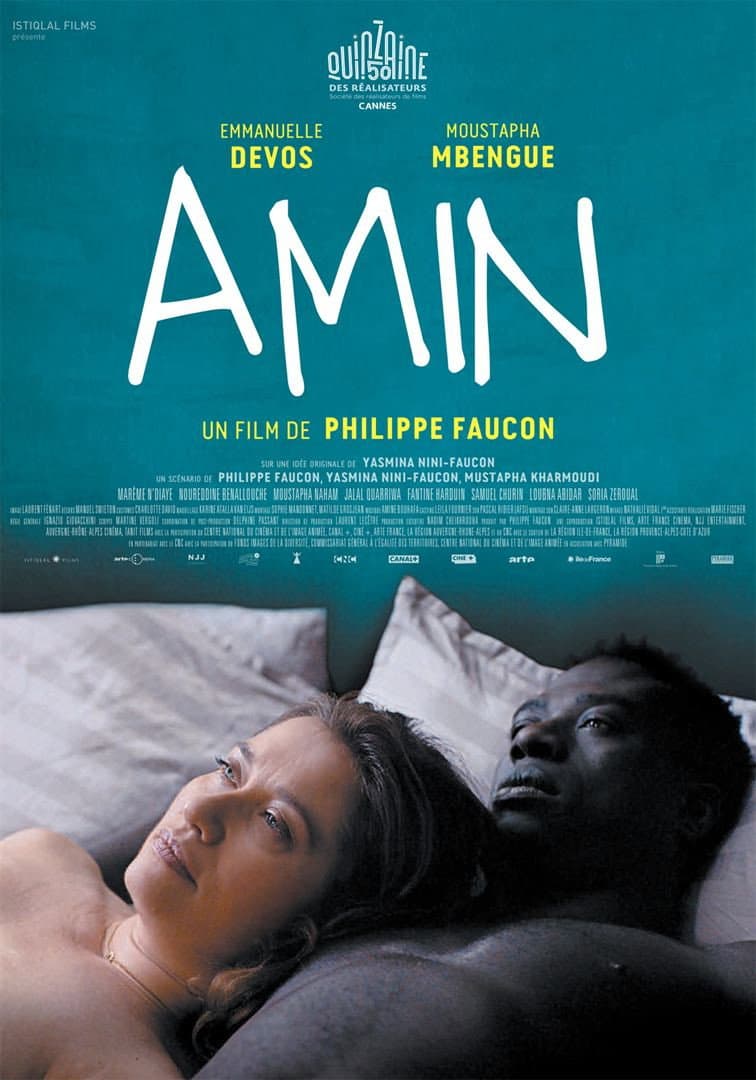
Amin — via TMDB
Bollywood actor Amin Hajee’s cross-cultural family life, described in a recent interview, is drawing attention to the increasing number of international, mixed-background families connected to the Hindi film industry. His experience, a partnership formed on the Lagaan set with British anthropologist Charlotte Whitby‑Coles, and a conscious effort to raise their children between cultures, reflects a reality rarely acknowledged in Hindi cinema’s stories, but one that matters for its global audience.
How did Amin Hajee and Charlotte Whitby-Coles become a cross-cultural Bollywood family?
Amin Hajee met Charlotte Whitby‑Coles, then a visiting anthropologist, while filming Lagaan in Bhuj in 2000. Their relationship developed behind the scenes of one of the most internationally recognised Bollywood films. Hajee has spoken about their early days, recalling both the joys and the skepticism they faced. Friends warned Hajee that a marriage to a fair-skinned British woman might present challenges in Indian society, pointing to cultural differences and social resistance.
They responded with quiet determination. Charlotte stayed in India, learned Hindi and Marathi, and took an active role in homeschooling their daughters. The family decided to raise their children without religious labels, drawing from each parent’s background but focusing on shared values and curiosity.
Are real-life cross-cultural families becoming more common in Bollywood?
Cross-cultural marriages and partnerships are becoming more visible in Bollywood’s broader creative community, even if headlines remain focused elsewhere. Industry researchers and academic studies confirm that, until recently, the on-screen representation of interracial or bicultural relationships has been limited. Off screen, examples like Hajee’s family or director Mira Nair’s long partnership with Indo-Ugandan academic Mahmood Mamdani mark a gradual change in the community’s reality.
These families often bridge different worlds. One partner may work in Mumbai’s film industry, while the other brings in academic or technical work from abroad. Charlotte Whitby-Coles’ experience, from British anthropology to Indian family life and integrating into homeschooling, mirrors adjustments made by others marrying into Indian film circles.
Have these personal stories shaped Bollywood films and casting?
On-screen narratives have not kept pace with behind-the-scenes change. Academic research highlights that Bollywood’s scripts and casting have tended to under-represent interracial couples and cross-cultural families. Filmmakers often focus on local romance, or use international characters as foils or plot devices rather than as leads.
But these patterns do not reflect the lived experiences of international families connected to the industry. As more industry members make their homes across cultures, the gap between personal reality and on-screen representation is slowly narrowing. Casting directors and writers are fielding questions from younger filmgoers in India and in cities like London, Dubai or Toronto who want to see storylines that mirror the modern diaspora’s diversity.
Streaming platforms, covered in the OTT & Streaming section, mean that international fans now make up a measurable segment of the Bollywood audience. Streaming has made cross-border casting easier and has raised demand for representation that feels real to global viewers. International and diaspora fans often notice and celebrate stories that echo blended family realities. That might be a character switching languages, a narrative with dual citizenship, or an honest depiction of cross-cultural parenting.
How do international fans respond to these off-screen stories?
Stories like Hajee and Whitby‑Coles’s attract thoughtful fan response, especially in online diaspora communities. For many, these interviews offer connection points. Fans see not only the cultural differences, food, language, holidays, but also the shared negotiations around identity, parenting and faith. Some express encouragement and recognition (“That’s my family!”), while others question why such families remain so rare or idealised on screen.
Fans in the UK, US, Canada, Singapore and the Persian Gulf follow both the films and the lives of actors abroad. Off-screen cross-cultural partnerships, when handled with candor and complexity, open doors for more reflective fandom. International fans find in these real stories a reflection of their own hybrid lives, which can deepen their emotional connection to Bollywood.
Could these stories signal a shift in Bollywood’s cultural narratives?
Bollywood’s relationship with the diaspora has always shifted between nostalgia for “home” and curiosity about the outside world. For decades, non-Indian characters appeared in blockbuster hits, but usually as tourists, foils, or comic contrasts to Indian leads. Genuine interracial or cross-cultural couples have remained rare, as academic studies show, both behind and in front of the camera.
The emergence of publicly lived, authentic cross-cultural families like Amin Hajee’s signals a subtle but real change. This does not always mean scripts or casting shift overnight, but it does inform how younger writers and directors think about family and identity. As Bollywood’s talent pool becomes more internationally mobile, and as the lines between NRI, PIO, or simply multicultural blur, personal examples set by industry insiders shape the films being made.
What does this mean for the future of representation in Bollywood?
The day-to-day choices of families like Hajee’s, raising daughters without formal religion, speaking multiple languages at home, moving between India and the UK, can feel quietly radical in a film industry that often invests in tradition. These lived realities may not be headline news, but they have a cumulative effect on how stories are told. International fans, watching both movies and the lives of those who make them, are already ready for more reflective and inclusive representation.
Bollywood’s gradual shift towards greater diversity owes much to behind-the-camera stories. The change is slow, but the presence and public sharing of cross-cultural family stories like Amin Hajee’s continue to challenge old boundaries and encourage the industry to reflect its audiences. For readers interested in the intersection of diaspora, diversity and Hindi cinema evolution, Features and Bollywood coverage remain important windows into a changing industry.
Spotted an error? We publish corrections openly — email editor@thebollywoodwave.com and read our corrections policy.