How Mona Singh’s Realistic Roles Are Rewriting Streaming for Women Abroad
Mona Singh’s move from iconic television leads to layered, grounded women, often mothers or ordinary individuals, has helped shift streaming’s portrayal of Indian women, bringing a new kind of realism that meets the hunger of diaspora audiences for authentic stories.
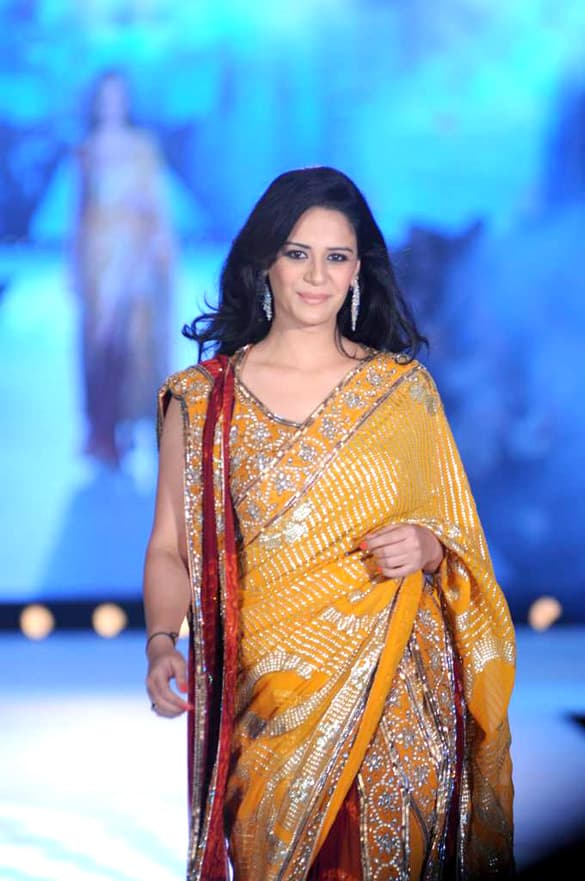
Bollywood Hungama / CC BY 3.0 via Wikimedia Commons
Mona Singh’s recent roles, rooted in everyday struggles and emotional strength, have helped shift Indian streaming platforms toward portraying women as complex, real individuals. Her performances move beyond glamour and melodrama, helping international viewers find grounded, believable women on screen. This reflects how streaming is changing who gets represented and how.
What makes Mona Singh’s approach different?
Singh has intentionally chosen roles that reflect ordinary women. She often plays mothers, single women, or conflicted characters whose main trait is emotional realism instead of spectacle. Since her early fame as Jassi in Jassi Jaisi Koi Nahin, Singh has used her place in streaming, with series such as Made in Heaven Season 2, Kohrra Season 2, Subedaar, and Kaala Paani, to embody women defined by their inner lives and quiet authority, not by stereotypes or outer show.
She has said that authentic power lies not in loudness, but in subtlety and resilience. These are qualities she brings to her roles, from grieving police officers to single mothers learning to date again. Bollywood’s traditional mother figure is often self-sacrificing or one-dimensional, but Singh’s mothers are shaped by everyday frustrations, moral ambiguities, and daily toughness. Her characters can make mistakes, feel loss, and honestly wrestle with choices familiar to many viewers or their families.
Why do these portrayals resonate with international audiences?
Streaming now brings Indian stories to viewers in the US, UK, Canada, Australia, Singapore, and other countries as soon as they release. International audiences, especially those from diaspora backgrounds used to larger-than-life Bollywood mothers, are responding strongly to Singh’s performances because her characters feel lived, not idealized. Research on streaming video-on-demand (SVOD) audiences supports this: viewers abroad tell researchers and platforms that they want women with competence and agency who carry real emotional weight, not just beauty or simplicity.
Singh’s roles give overseas viewers something that travels well across cultures: ordinariness with dramatic impact and small details that reveal strength. This realism reflects the lives of real families facing everyday problems, such as the loneliness of migration or the private struggles of working mothers. Streaming’s longer formats and deeper writing let these characters breathe and develop, giving Singh room to build performances that unfold real strength and vulnerability over time.
Which Mona Singh performances showcase this realism best?
- Kohrra Season 2: Singh plays a grieving police officer and mother defined by restraint. She solves cases but remains vulnerable, not invincible.
- Made in Heaven Season 2: She explores the emotional and social weight of single motherhood, dating, and judgment from family and society. The performance focuses on conflicted choices rather than melodrama.
- Subedaar and Kaala Paani: Singh’s characters make pragmatic decisions and handle pain privately. Their subtle strength often appears in the ways they support or protect family members.
The common thread is her insistence on portraying complicated, ordinary women who are not defined by self-sacrifice or rebellion, but by everyday strength.
Is Mona Singh’s realism part of a larger shift in Indian streaming content?
Streaming platforms have made space for female roles that go beyond clichés. This shift affects not just Singh but other performers as well. Bollywood films often cast older women in background or grand, suffering mother roles, but streaming series are giving women over forty, including Singh, parts that focus on competence, vulnerability, and complete personal arcs. Indian SVOD writers say there is now a chance to show women with careers and private lives, facing dating, divorce, illness, or complicated family issues, subjects rarely explored outside prestige film or so-called ‘art cinema’ before streaming.
Singh stands out because of the range and consistency with which she selects these roles. She has become a public face of realism in the genre. Her choices challenge Bollywood’s conventions and even some Western ones, where female power is often written as forceful or brash instead of quietly resilient. This cross-cultural resonance matters for viewers who want to see the lived experience, not just the aspirational fantasy, of Indian womanhood wherever they live.
How does this new realism influence diaspora viewers’ relationship to Indian content?
For international audiences, especially those with Indian roots, Singh’s characters bring credibility and connection. They help bridge the gap between familiar narrative tropes and the real complexities of modern adulthood abroad: migration, estrangement, juggling family roles, or feeling out of place in more than one culture. International viewers who grew up with melodramatic Hindi films see in Singh’s characters something much closer to their own mothers, partners, or colleagues, people shaped by circumstances, silent sacrifices, small triumphs, and ordinary mistakes. This authenticity is part of what keeps such audiences coming back to Indian stories in a streaming world full of choices.
As streaming platforms look for shows that serve diverse global viewers, Singh’s grounded roles prove that realism travels. When written and acted honestly, the ordinary becomes both the most specific and the most universal kind of storytelling. This shift is changing what gets made, who is cast, and how international audiences see contemporary Indian womanhood on screen.
For more on how streaming is remaking Hindi film and TV, see our Features section or keep up with new releases in OTT & Streaming.
Spotted an error? We publish corrections openly — email editor@thebollywoodwave.com and read our corrections policy.