
How Hanuman Ansh Turned Word of Mouth into a Historic Box Office Miracle
Hanuman Ansh, a low-budget devotional film with no stars and barely 100 screens at launch, stunned Bollywood by outpacing the mega-budget Toxic, setting off a new debate about the true power of word-of-mouth and the enduring appeal of faith-based cinema in India.
Hanuman Ansh — via TMDB
Hanuman Ansh stunned the Indian film industry in August 2026 by flipping the script on box-office predictions, transforming a sluggish, starless launch into one of the most impressive late-blooming hits in recent Hindi film history. While bigger-budget films often dominate with upfront marketing and massive initial show counts, Hanuman Ansh became a rare box-office miracle, outdrawing even Yash’s heavily promoted Toxic in the Hindi market through a tidal wave of word-of-mouth that propelled it from fewer than 100 screens to more than 7,000 in just four weeks.

How did Hanuman Ansh’s box office fortunes shift so dramatically?
Hanuman Ansh began as a classic underdog. With a production cost of only ₹2 crore and no celebrity cast members, it arrived in cinemas on 7 August 2026 as a devotional feature with regional appeal and minimal pre-release buzz. Its opening day receipts, ₹10 lakh, across less than 100 screens, were unremarkable, and early pundit expectations were modest, if not dismissive. The first week’s total, about ₹1.07 crore, suggested a quiet run. But the film’s fate changed radically from its third week onward.
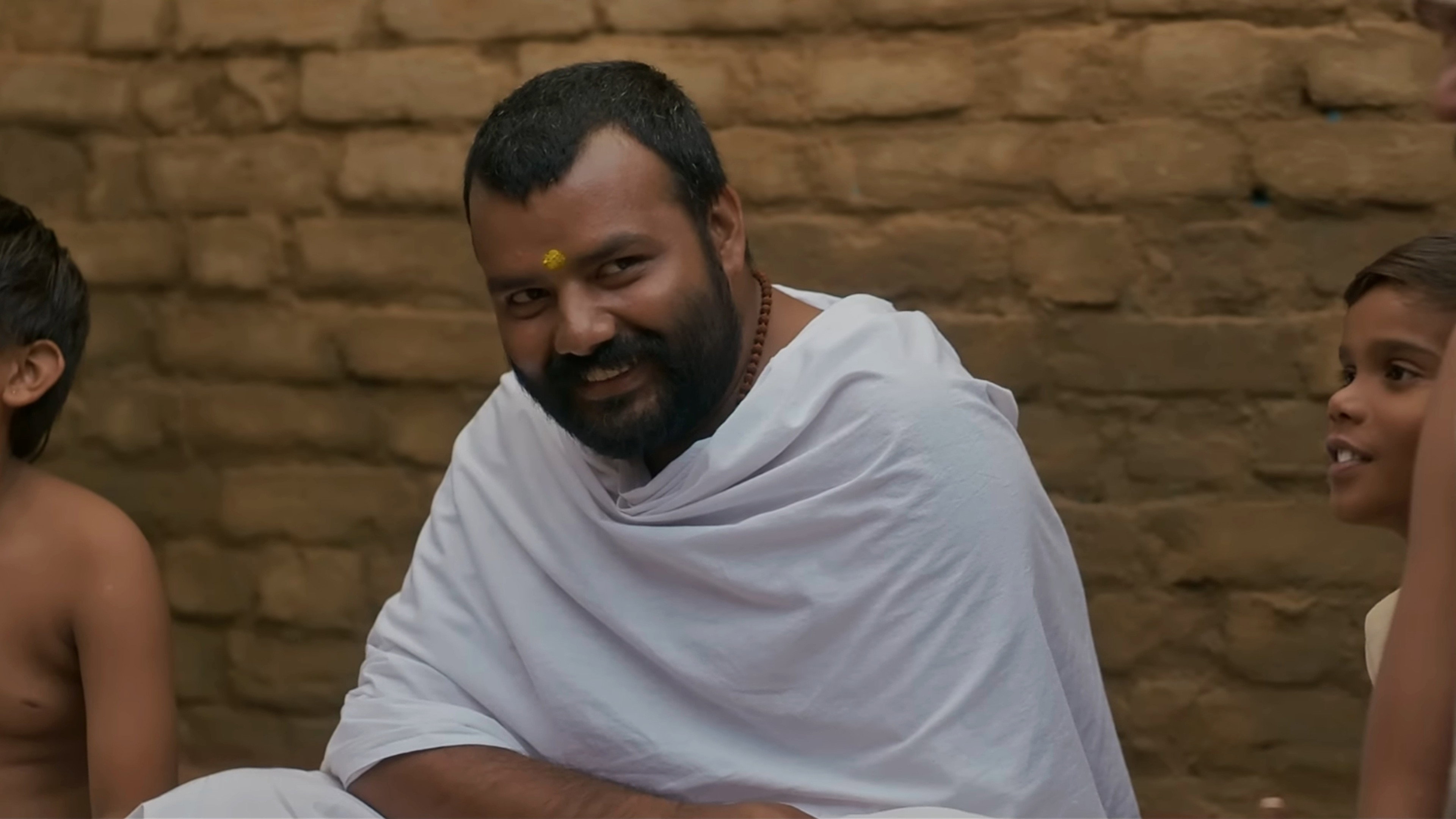
By Day 17, word-of-mouth reached a tipping point. Single-day collections had surged to ₹2.2 crore, and cinema occupancy jumped from the initial 10 percent to over 46 percent by the fourth week. Show counts exploded to more than 7,000 nationwide, as exhibitors responded to swelling audience demand. By the end of week four, the film had netted over ₹70 crore, with box-office gross estimates ranging up to ₹84 crore, an outcome virtually no one predicted at the outset.
Why did the film’s word-of-mouth campaign work when so many others fail?
The heart of Hanuman Ansh’s runaway success was pure word-of-mouth. The film had no significant marketing budget, no tie-up with an OTT platform, and no official backing from social-media influencers or celebrity endorsers. Instead, it relied on grassroots advocacy, especially among faith-driven family audiences and devotees of Hanuman and Neem Karoli Baba, who are at the center of the film’s narrative.
Community groups, particularly those organized around temples, WhatsApp networks, local Facebook pages, and religious gatherings, became informal champions for the film. These networks mobilized viewers at the town and neighborhood level, spreading testimonials about the movie’s emotional and spiritual resonance. As first-wave viewers recommended it to friends, families, and regional language communities, interest snowballed into a nationwide phenomenon. The film’s devotional songs and sincere treatment of faith-based themes made it appealing to multigenerational audiences, not just in small towns but in urban centers.
Which audiences drove Hanuman Ansh’s sudden growth?
Hanuman Ansh found its core support among primarily Hindi-speaking, faith-oriented families. Early reports point to strong showings in tier-2 and tier-3 cities in northern India, states like Uttar Pradesh, Rajasthan, Madhya Pradesh, and Bihar, where devotional cinema has a longstanding tradition. As the buzz grew, single-screen cinemas in urban districts began to fill, followed by a sharp uptick in multiplex attendance. By week three, urban families who had initially ignored the release began to attend, prompted by authentic, word-of-mouth-driven testimonials about the film’s uplifting message and place in the devotional genre.
The growth pattern mimics the 1975 sleeper hit Jai Santoshi Maa, another faith-centric film whose appeal crossed regional and generational divides. In both cases, the audience’s trust and emotional engagement mattered more than typical star draw or pre-release hype.
What role did social media and community groups play?
While big-budget films often use Instagram, Twitter, and paid influencer campaigns for their reach, Hanuman Ansh succeeded through low-key, decentralized social media sharing. Key platforms included WhatsApp, where unverified but heartfelt forward messages and video clips circulated among Indian families (both in India and abroad); and regional Facebook groups, which posted local show timings and shared positive reviews. Temple events and community WhatsApp groups were particularly important, organizing group outings and urging repeat viewing. This organic amplification was mostly outside the paid advertising sphere and free from star-centric messaging, keeping the focus on the film’s devotional sincerity.
How did exhibitor confidence shift, and what does it signal for future small films?
Initially, big chains and single screens prioritized Toxic, allocating over 24,000 shows to the star-powered competitor. But as Hanuman Ansh’s daily numbers exploded, theater owners quickly adjusted, shifting screens and slots away from Toxic to meet surging demand. This move, rare in an industry where large releases usually command locked-in slots, was guided by real-time occupancy rates and public pressure from viewers seeking available seats.
Though multiplex chains have not released individual statements about the shift, box-office data documents a sharp reallocation: Toxic’s show count dropped by nearly half within the first week while Hanuman Ansh expanded tenfold. For small producers, the message is clear: strong word-of-mouth, genuine emotional effect, and organized grassroots demand can change exhibitor behavior, even weeks after release. The success resets industry assumptions about what it takes to secure and expand screen presence in a competitive market.
How significant is Hanuman Ansh’s victory over Toxic?
Box-office tracking confirms a remarkable reversal. On Day 26, Hanuman Ansh’s Hindi-market earnings (around ₹8.5 crore) surpassed Toxic’s Day 7 figures (approx. ₹5.25 crore), a pattern repeated on Day 27. This victory is not just numerical, but symbolic. For decades, the Bollywood business has prioritized star pull, high budgets, and aggressive marketing. In contrast, Hanuman Ansh flipped the formula, demonstrating the resilience of faith-based storytelling and the box-office muscle of a “people’s hit.”
No single studio or campaign architected the late surge; it grew out of thousands of deliberate, community-level endorsements. The result is a renewed respect for devotional genres, which have previously delivered hidden hits but rarely with such rapid and dramatic momentum.
What does the international release mean for faith-based cinema?
The surge in domestic demand did not go unnoticed outside India. With its international rollout launching from 11 September 2026, Hanuman Ansh is testing whether faith-based Hindi films can find expatriate and global audiences. For many diaspora communities in the United States, Canada, UK, UAE, and Singapore, where Indian temples and cultural centers organize community outings, these releases offer both spiritual and social value. While it is unclear if the film will replicate its Indian box-office miracle abroad, its theatrical distribution, without a pre-sale OTT deal, signals exhibitor faith in grassroots word of mouth even in international markets.
The performance of Hanuman Ansh overseas will help shape distributor and exhibitor confidence in acquiring and expanding release footprints for niche devotional films in the future.
Can the Hanuman Ansh model be replicated?
While miracles are, by definition, rare, Hanuman Ansh offers a blueprint for low-budget, content-driven projects willing to build from the ground up. The essential lesson: start by cultivating a small but passionate core, create content that genuinely resonates, and make it easy for that audience to spread the word, across both traditional and digital platforms. If the story rings true and mobilizes real communities, exhibitors will move; and box-office momentum can arrive when least expected.
For further reporting on similar surprise hits and their box-office journeys, see the Box Office and Bollywood sections.
Spotted an error? We publish corrections openly — email editor@thebollywoodwave.com and read our corrections policy.