Fact, Fiction, and Courtroom Drama: What ‘Prahaar’ Really Draws From the Public Record
‘Prahaar, The Ujjwal Nikam Story’ promises an inside view of one of India’s most famous prosecutors and the trial that gripped a nation. But without confirmed sources or public court transcripts, how much of the film’s courtroom drama is actually documented fact, and where can international viewers go to verify the record behind the narrative?
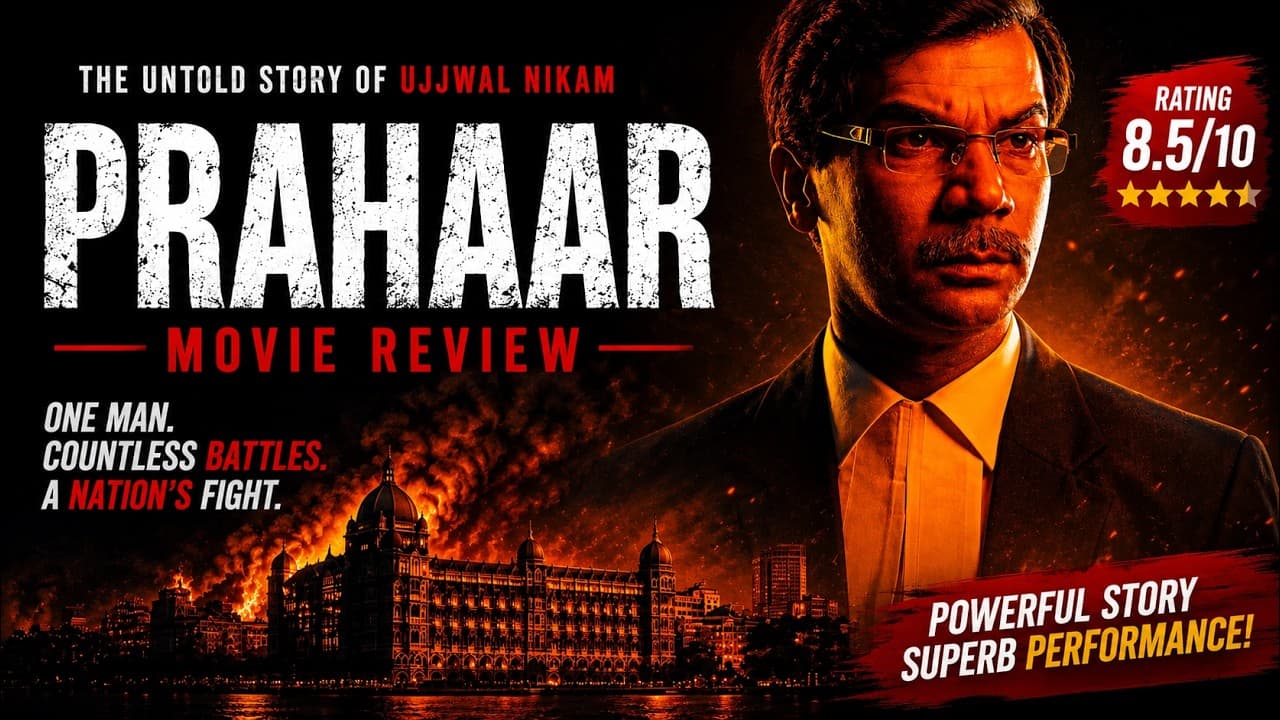
Prahaar, The Ujjwal Nikam Story, releasing in cinemas on 7 August 2026, is inspired by the life of prominent Indian public prosecutor Ujjwal Nikam, with a focus on his pursuit of justice after the 26/11 Mumbai terror attacks. While the filmmakers and Nikam himself claim the film offers an authentic portrait, there is still no confirmation that any courtroom sequences are taken directly from court records or publicly available legal transcripts. In fact, the process by which the script draws from real trial documentation, or from public memory, media reports, and narrative embellishments, remains both opaque and highly relevant for international viewers trying to separate fact from fiction.
Is ‘Prahaar’ based on official court records or public-domain sources?
No. As of now, neither the filmmakers nor court officials have released any statement confirming that Prahaar uses courtroom transcripts or public domain documentation as its basis. Press coverage notes the film’s close association with real events, especially the trial of Ajmal Kasab, the lone surviving gunman from the 26/11 attacks, but all evidence so far indicates the screenplay is constructed from a mix of Nikam’s own recollections, press coverage, and dramatic license.
The film’s authenticity has been praised by Nikam himself, with the prosecutor telling Hindustan Times that the portrayal is emotionally and professionally accurate. Yet Nikam did not specify that the film draws directly from trial records or government archives. This is especially significant given that one of the most famous anecdotes involving Nikam, the so-called "biryani story", was later confirmed to be a fabrication. (For further reading, see NDTV's explainer.)
Why are Indian court records so hard to access?
Accessing Indian legal documents and trial records is not straightforward. Unlike the United States and the United Kingdom, where major court proceedings are often transcribed and posted online as part of the public record, most trial transcripts in India are not systematically published or digitized for global audiences. The National Archives of India does not host the 26/11 trial records, and even press coverage of courtroom proceedings often depends on reporters’ notes rather than verbatim transcripts. Gaining official access to court documents usually requires a formal application process, sometimes only available to those directly involved in the case or to legal researchers with specific credentials.
For international readers, this means the primary sources behind a film like Prahaar, if used, are nearly impossible to check independently. This raises important questions about how courtroom dramas in India handle source material, and what is presented to audiences as fact versus creative interpretation.
Where can international readers verify Ujjwal Nikam’s original statements or transcripts?
There is no central online repository for Ujjwal Nikam’s official courtroom statements or submissions related to the trial of Ajmal Kasab. Most of what survives in the public record is found in media coverage, YouTube interviews, and retrospectives in outlets such as Times of India, India Today, and NDTV. For those outside India, the only available sources are secondary: excerpts and summaries from news coverage, Nikam’s televised interviews, and occasional conference talks. No original court filings or official transcripts have been released in the public domain.
There have been no announcements by the Prahaar filmmakers indicating that such materials will be made available, nor has Nikam published a complete archive of his public statements or court documents. The "biryani story" controversy highlights why this is important: only after years of repetition in news and social media did Nikam himself admit the anecdote was invented, not a reflection of courtroom fact.
What about the film’s depiction of fact versus dramatization?
As of July 2026, there is no mention, either in press releases or official teasers, that Prahaar will include disclaimers distinguishing documented facts from dramatic invention. This is common in many Hindi "inspired by true events" films, where lines between public record, remembered events, and narrative invention are often blurred for emotional effect or to condense timelines.
If this film follows patterns set by prior legal biopics, viewers should be cautious in assuming every exchange shown on-screen is a matter of record. For example, Aadesh, Power of Law, which also tackled a famous Indian lawyer’s career, dramatized many elements for clarity and emotional resonance rather than strict accuracy. The difference here is the explicit public discussion around what is real and what is fabricated, in light of the "biryani lie" and the stakes of representing a national trauma like 26/11.
How do legal dramas in India usually source or adapt courtroom materials?
In India, it is rare for biographical films to incorporate verbatim trial records unless directly authorized by the parties involved, and even then, access is limited by privacy laws, court orders, and lack of systematic archiving. Most writers rely on media accounts, personal recollections, and secondary research, with scripts reviewed for general legal plausibility rather than for-fact sourcing. When courtroom scenes are reconstructed, they often blend dialogue inspired by real events with creative license designed to heighten dramatic stakes.
Filmmakers sometimes consult with legal scholars or journalists familiar with the case, but this process is rarely made transparent for audiences. The lack of available trial materials makes it nearly impossible for viewers, especially those overseas, to separate authentic details from cinematic invention.
The ethical challenge: public memory versus public record
Endorsements from figures like Ujjwal Nikam, who both helped shape public understanding of the Kasab prosecution and admitted to embellishments, add another layer of complexity. When Nikam praises a film’s accuracy but does not detail the sources behind it, audiences are left to trust personal memory over documented fact.
This dynamic is not new to Hindi biopics, but it is particularly sensitive with stories that carry national or international weight. Viewers should keep in mind that even well-intentioned films may amplify or invent elements for dramatic effect, and current Indian media laws allow considerable leeway in how "authentic" a dramatization can claim to be.
If you want to know more
- For news about Hindi cinema’s latest legal dramas, consult the News and Upcoming sections.
- For more on biopic conventions and the pitfalls of fact versus narrative in Bollywood, read our Features.
- To check which streaming services eventually carry Prahaar outside of India, follow our OTT & Streaming guide by territory.
Ultimately, for those hoping to fact-check the events depicted in Prahaar, The Ujjwal Nikam Story, be prepared for a story filtered through both memory and media, rather than through direct, publicly archived court testimony.
Spotted an error? We publish corrections openly — email editor@thebollywoodwave.com and read our corrections policy.